
Personal Training for Medical Staff
We are a Beaverton personal training company that helps medical professionals improve their physical fitness.
Long shifts, standing for hours on end, and heavy workloads take a significant toll on your body, even when you’re used to it.
Our personal training programs for doctors and nurses help healthcare professionals like you reduce pain, improve posture, and maintain strength despite long periods of standing.
This tailored training is built around your body, schedule, and movement patterns to help you regain your vitality outside of work.


Fitness Coaching Built for Long Shifts, Low Energy, and Unpredictable Schedules
You deal with long shifts that drain your energy, unpredictable schedules that make planning difficult, and physically demanding tasks for more than 12 hours a day.
Our coaching style focuses on efficiency, minimal disruption, and sustainable habits so you feel better during your shifts and recover quickly afterward.
Back Pain From Standing All Day and Why It Happens
Standing for hours shifts more weight onto certain muscles and joints. The lower back, hips, and calves take on more load than they’re designed for, which causes back pain from standing all day.

Quick Screening and Lifestyle Assessment
We review your schedule, physical demands, and energy levels. This ensures your plan is safe, realistic, and highly personalized.

Personalized Plan Based on Your Work Schedule
Your training, nutrition, and lifestyle adjustments will be designed for your shifts. You’ll know exactly what to do, when, and why it matters.

Ongoing Support and Adjustments
Your plan evolves as your schedule or work demands change. You’ll get daily accountability coaching and check-ins to make sure your progress stays consistent.
Personal Training for Medical Professionals
Your hospital schedule can make a traditional gym routine impossible to stick to.
Instead of getting frustrated and trying to squeeze every minute of free time you have to work out, prioritize a program that focuses on quick, effective workouts, strength and conditioning, and mobility training to get results in minimal time.
Here’s how we can help:
1-on-1 Personal Training
Every session is personalized to your schedule and energy levels. Your coach will combine strength and mobility exercises to counter fatigue from long hours of physically demanding tasks, so your program will adapt to your real-life work environment.
Efficient Training Sessions
Your sessions will be brief but effective: 60-90 minutes for shift resets, 2-3 times a week. With a focused program, you’ll get results without adding stress or fatigue to your already busy day. Instead, you’ll learn easy movement patterns that improve energy and recovery. With our premium personal training instead with our focused program.
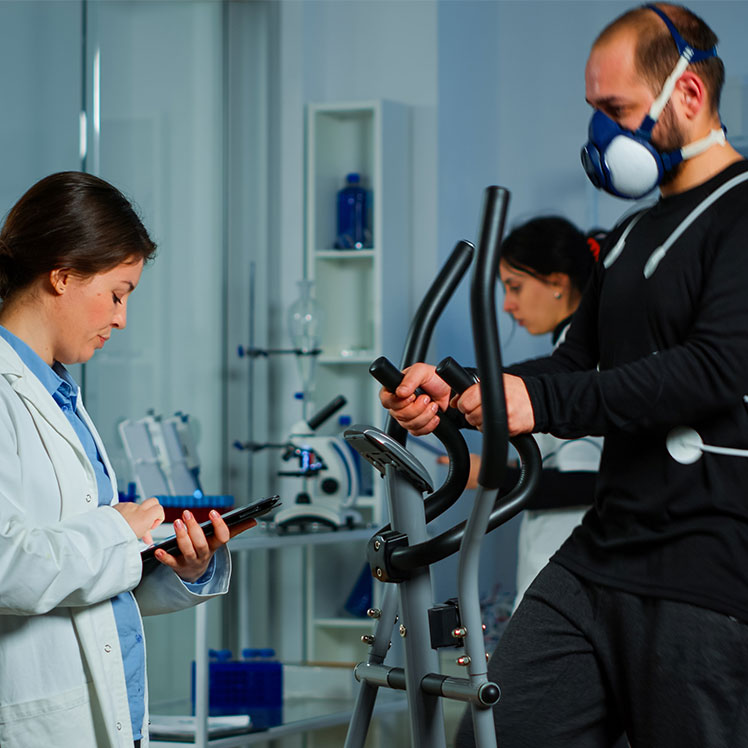
Online Fitness Coaching for Healthcare Professionals
Do you need your coaching to fit your hospital schedule, not the other way around?
We’ll give you that with: nutrition, gut health, and recovery habits built for busy shifts and irregular routines.
Training That Fits Your Shifts
Your workouts are structured around your schedule and energy levels. We focus on efficient strength and mobility sessions that help you move better and recover from long hours on your feet. You won’t need long gym sessions to see progress because your training will be designed to be effective and realistic for healthcare professionals. Our accountability system keeps you on track with regular check-ins, progress tracking, and coaching support.
Nutrition That Supports Your Workday
Eating well during long shifts is challenging. Instead of strict diets, we help you build practical nutrition habits that fit your routine with quick meal strategies, flexible food choices, and simple planning so you can nourish your body even when time is limited.
Recovery, Sleep, and Supplement Guidance
Your results depend on more than training and food. Long shifts and high stress affect recovery and sleep quality, which directly impact energy and performance. We help you build habits that support better rest and recovery so your body can adapt to training and daily demands. Where appropriate, we also provide guidance on evidence-based supplement strategies to support nutrition and recovery.
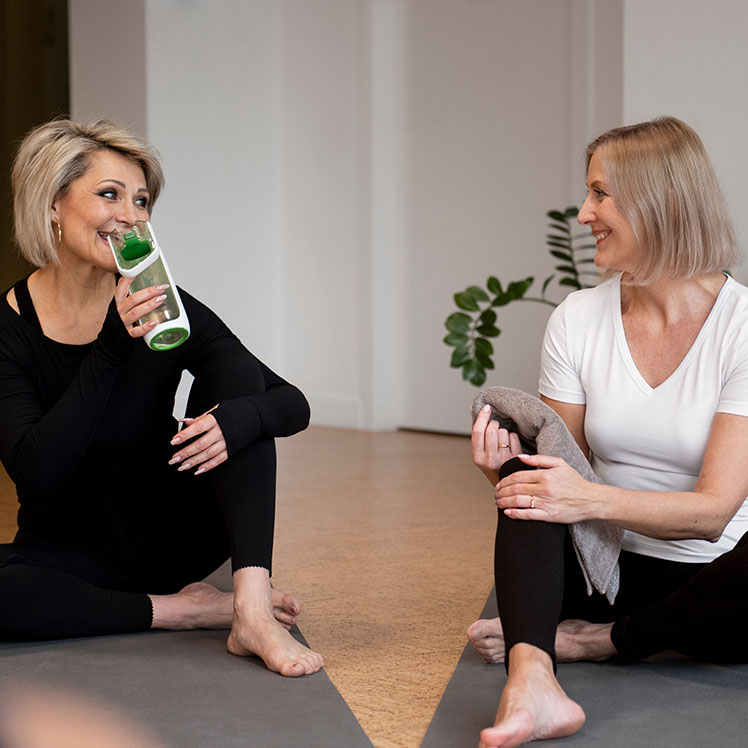
Hormone-supportive lifestyle coaching
Shift work, long hours, and mounting stress can disrupt your hormones and leave you fatigued for days. Our expert team will help you build new habits that support your health and help you feel more resilient on the job.
Training, Nutrition, Sleep, and Stress
Leg fatigue comes from repeated muscle engagement and lack of recovery. To prevent leg pain from standing all day, our fitness coaches will recommend specific strengthening and mobility exercises for your calves, quads, and hamstrings that you can do during your break or at home after work.
Focused on Burnout
specific strengthening and mobility exercises for your calves, quads, and hamstrings that you can do during your break or at home after work. Since many of these issues are interconnected, a structured personal training plan for medical professionals will help you address your pain as quickly as possible and prevent recurrence after similarly long shifts.
Professional Scope and Safety


We focus on safe movement and fitness and nutrition coaching, not medical treatment.
Our expertise is in our approach to fitness for individuals without medical conditions who deal with pain, workout and nutrition issues, and a lack of structure in their fitness routines.

We do not diagnose medical conditions.

We do not treat medical conditions.

We coordinate with PTs, physicians, or other specialists.
* If you experience symptoms such as numbness, tingling, acute swelling, trauma, or severe night pain, we urge you to seek medical evaluation. We do not work with medical conditions.
FREQUENTLY ASKED QUESTIONS
Standing for extended periods increases stress on the lumbar spine and glutes. When you feel this, your muscles start to fatigue and your posture shifts forward, causing back pain from standing too long.
After standing all day, you can find relief by stretching the hip flexors, hamstrings, and lower back reduces tension. Strengthening glutes, core, and thoracic muscles prevents recurrence, so well-tailored doctor workout plans include both mobility and stability exercises for relief.
When you stand all day at work, you’re overloading your lumbar muscles and weakening your hip stabilizers. Lower back pain from standing all day comes from compensation for tight hips and calves.
After standing too long, you should try short hip flexor stretches, glute activation, and thoracic extensions to relieve stiffness. Our personal trainers for doctors will integrate these into shift-friendly workouts to prevent recurrence.
Extended shifts overload the arches and calves, causing soreness. A personal trainer for doctors can create a recovery plan to reduce foot pain after long shifts, so that you can actually relax after your day at work.
Limited ankle mobility and weak stabilizers cause strain, especially after being on your feet for so long. Ankle pain from standing all day improves with ankle mobility exercises, calf strengthening, and balance work.
Knee pain during long standing periods usually reflects load coming from elsewhere, often the hips or ankles. When those areas aren’t moving well, the knee becomes a stress point during prolonged standing at work.
Hip pain often develops when the muscles that stabilize your pelvis fatigue. Long standing without enough movement causes tension at the front or side of the hips, which alters how you distribute load through your spine and legs.
Leg pain from standing all day often comes from reduced circulation and muscle fatigue. Muscles stay contracted longer than they are designed to, which leads to soreness and heaviness.
Calf pain and sore calves after standing all day result from prolonged muscle contraction. Limited movement reduces blood flow and recovery, so calf pain is common at the end of long shifts.
Once you stop moving, your body finally relaxes, so that’s when you feel all the strain you’ve been holding. The pain shows up after the shift ends because you can also focus on it now, which you couldn’t do during your shift.
Your shoulders work constantly during your shift, from holding equipment, reaching, and working at fixed heights adds up. Over time, fatigue builds without you noticing, because you’re still in the middle of your workday. Once it’s over and your shoulders relax, you’ll feel the pain.
Yes, fitness for nurses is different than general fitness because nursing already places a high physical load on your body through long shifts, lifting, walking, and standing. General fitness plans often ignore this and may add more stress. Fitness for nurses focuses on protecting joints, supporting the lower back and legs, and improving recovery between shifts.
Personal training for doctors is realistic with long shifts when it’s designed around how you work in the hospital. It works best when sessions are short, efficient, and flexible, and by focusing on strength, mobility, and pain prevention.
Yes, a good personal trainer can build a plan that adapts to rotations, on-call days, and unpredictable weeks. Training volume, intensity, and timing can be adjusted based on how demanding your shifts are.
A simple doctor workout plan focuses on full-body strength, core stability, and mobility, using short sessions that can be done a few times per week. The exercises support posture, reduce back and joint strain, and help counteract long hours of standing. The plan is designed to reduce pain, maintain strength, and improve resilience.
A realistic workout plan for nurses prioritizes lower body strength, posture support, and mobility to help with long shifts on your feet. The focus is on staying consistent, reducing aches and pains, and supporting recovery so you can feel better at work and outside of it.