
Fitness Coaching for Office Workers
We are a Beaverton personal training company that helps Office Workers improve their physical fitness.
Long hours sitting at a desk will change how your body moves, feels, and performs. But instead of surrendering to these changes, you have our online personal trainer and online fitness coach services to help you reduce your pain, improve your posture, and rebuild your strength.
You don’t need a gym or long workouts to break up a sedentary lifestyle.
You need a structured path forward guided by professionals.
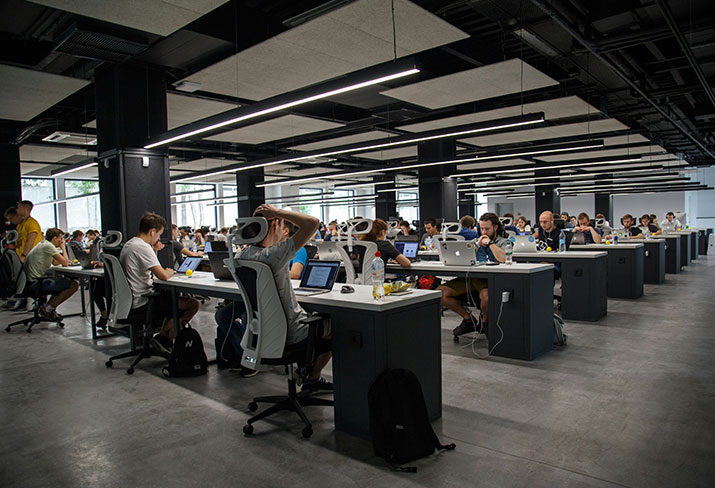
Why Office Workers Need Tailored Fitness Coaching
Office work, while thought of as “easy,” creates very specific movement problems.
Joints stay in fixed positions and muscles work less than they should. Over time, this changes how the body distributes load, with hips tightening, posture shifting, and the spine compensating.
Many people try to rectify these problems with generic workouts, but more often than not, they make the pain worse.
Tailored fitness coaching will adjust your training to restore mobility, strength, and control where it’s missing, so that you reduce unnecessary strain and improve how the body moves outside of work.
Lower Back Pain From Sitting — Why It Happens
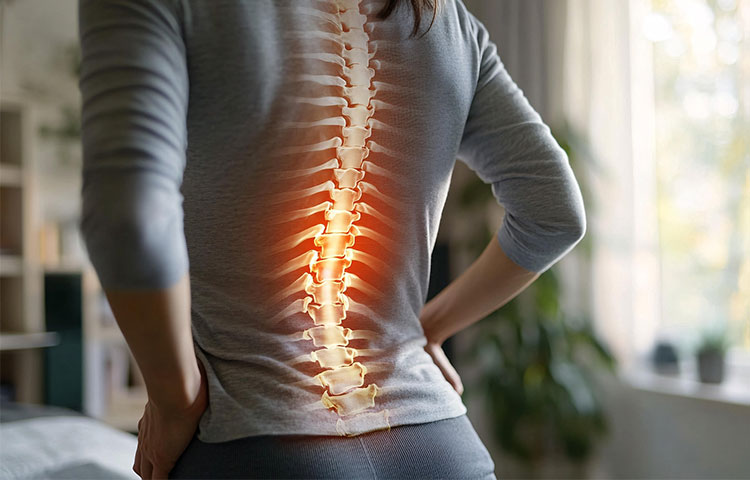
Lower back pain from sitting is rarely caused by the lower back itself. It’s usually the result of the load being shifted there because other areas are not doing their job.
Prolonged sitting shortens hip flexors, limits spinal movement, and reduces core engagement.
Over time, the lower back compensates, and pain appears.
Lower back pain from sitting too much / Lower back pain from office work
When you sit for long periods, your hips remain in flexion, and your glutes stay inactive. Your online fitness coach will identify these patterns and retrain your movement to ensure your lower back stops absorbing unnecessary stress.
Lower back pain from sitting at desk / Pain when standing up from sitting
Pain when standing up from sitting usually means poor hip extension and limited spinal control. We coach controlled movement, strength, and mobility, so transitions become smooth and pain-free again.
How to fix lower back pain from sitting (root cause approach)
Our team can fix your lower back pain from sitting by restoring your muscle’s function, not chasing the symptoms. Your online personal trainer will create a plan to improve hip mobility, strengthen the posterior chain, and rebuild spinal stability in the correct order.
STRETCHES FOR LOWER BACK PAIN AND HIPS (DESK ROUTINE)
Stretching helps when it’s targeted and timed correctly. While random stretches often feel good, they won’t change anything pain-wise long-term.
Our team will introduce stretches for lower back pain and hips as part of a bigger system to help you feel better in your body.
Here’s what you can expect to see in your plan:
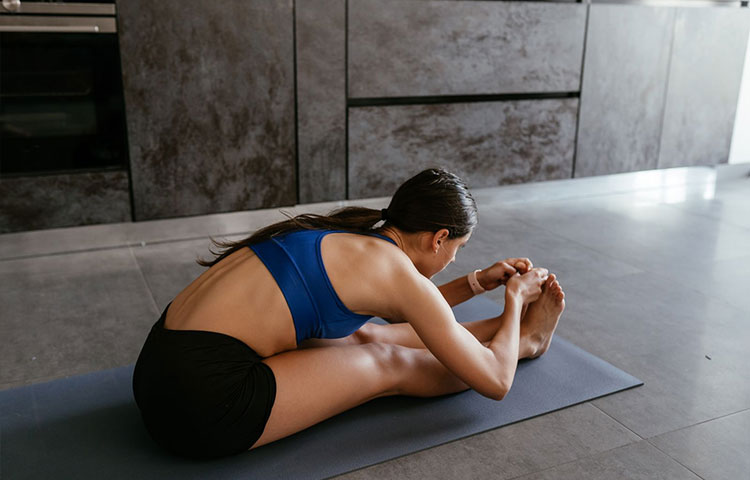
Chair stretches for lower back pain
Good chair stretches reduce stiffness caused by prolonged sitting. Our recommended seated stretches for lower back pain are designed to restore spinal motion without overloading the joints. They’re simple, repeatable, and easy to include in your work hours.
Standing stretches for lower back pain (break-friendly)
Standing stretches improve circulation and unload compressed tissues. A few good standing stretches for lower back pain will work best when combined with movement-based resets. Our team will show you when to use them and when not to.
Best stretches for lower back pain and hips
Your lower back pain will improve faster when you address the issues with your hips. With a tailored plan, we’ll pair targeted hip stretches with controlled movement to create lasting improvement.
Posture Problems Caused by Desk Work
Posture problems don’t suddenly appear – they develop gradually through repetition.
Desk work encourages forward head posture, rounded shoulders, and reduced upper-back movement, which leads to many issues down the line.
Fixing your posture after so long required strength, mobility, and awareness, which our team is trained to help you with. Here’s what you can expect with your plan:

Exercises to improve posture
Posture correction exercises strengthen the muscles that hold you upright, but they’re often neglected. By working with us, you’ll focus on endurance and control, not forcing “perfect posture.” These exercises will integrate into your regular training.

Forward head posture exercises (neck + upper back)
Forward head posture increases neck and upper-back strain. If you’re dealing with similar issues, your plan will include exercises that improve alignment by strengthening the upper back and restoring neck positioning to reduce tension without aggressive stretching.

Rounded shoulder posture (shoulder posture correction exercises)
Rounded shoulders limit shoulder movement and breathing mechanics. To rectify this, our team uses shoulder posture correction exercises to restore range, control, and balance, so that you can hold your head high.
Hip Tightness From Sitting
Sitting for hours keeps your hips in a shortened position, which often causes tight hip flexors and reduces your ability to extend the hips fully.
These imbalances are why hip mobility exercises and hip flexor stretches are crucial for office workers.
Your personal fitness coach will use targeted routines to correct your tight hip flexor symptoms, restore hip flexor mobility, and improve posture and walking. Your plan will include:
Tight hip flexors (symptoms + tight hip flexors test)
Common tight hip flexors symptoms include anterior pelvic tilt and lower back discomfort. Our team will use simple movement checks in real time instead of assumptions so that we prescribe what your hips actually need.
Hip flexor stretches
Your personal online trainer will combine hip flexor stretches with strength work and select the best movements based on how you move during your day.
Hip mobility stretches
Mobility restores usable range instead of passive flexibility. You’ll receive suitable hip mobility exercises for beginners to focus on control instead of forcing range.
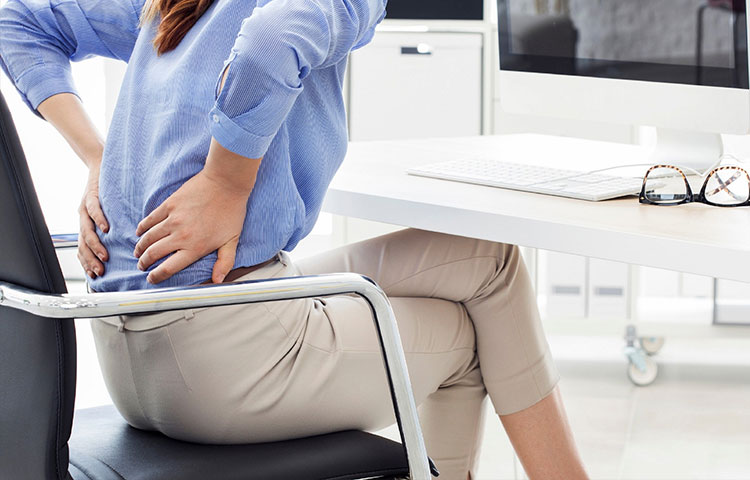
Mid Back Pain Relief Exercises (Thoracic Focus)
A stiff mid back will force your neck and lower back to compensate and take on the extra burden. This is especially common if you work in an office where you rarely rotate or extend your spine.
Our mid back pain relief exercises will restore movement where it’s missing.
Upper Back Pain Relief Exercises + Neck Pain From Computer
Neck pain from computer work often starts in the upper back. Restricted shoulder and thoracic movement increases neck load, which your personal fitness trainer will fix with:

Shoulder mobility exercises (upper back relief)
Shoulder mobility exercises improve how force transfers through the upper body, which, in turn, reduces chronic upper back tension and improves comfort at the desk. You’ll get the best shoulder mobility exercises fit for your needs from the start.
Neck posture correction exercises
Neck posture correction exercises restore efficient head positioning and help you reduce upper back pain from sitting for hours at a time. Your online fitness coach will prioritize controlled movement and endurance, not aggressive neck work to get you back on track.
Our Fitness Coaching System for Office Workers
Our fitness coaching system is a process, not a simple library of exercises. Each phase builds on the last and ensures you progress towards your goals gradually.
Here’s what you should expect:

Physical assessment for desk-related issues
Before you start training, we look at how your work routine affects your body. If you sit most of the day, your hips are usually tight, your glutes aren’t activating properly, and your upper back and neck take a lot of strain. Your training plan will then focus on restoring balance, like strengthening what’s weak and mobilizing what’s stiff.

Custom nutrition plan
Your workday is packed with meetings and deadlines, so eating well often becomes an afterthought. You might skip meals, grab whatever is easiest between calls, or finish the day hungry because you barely ate while working. We help you build simple nutrition habits, including meals that take minutes to prepare, so you can fuel yourself even when your schedule is full.
Hormone-supportive habits for energy
Long days at a desk affect more than just your muscles. Stress, poor sleep, and long sitting hours can disrupt your energy levels, recovery, and metabolism. Through your coaching plan, we help you build daily habits that support hormone balance, better sleep, and more stable energy during the workday.
Meet the coaching team
BOris manchev
Movement Specialist
DAVID TEMELKOV
Personal Fitness Coach
Guido van ryssegem
Online Personal Trainer
Sonja Rohde
Online Fitness Coach
Gillis Pellegrin
Nutrition Specialist
Get in touch
Whether you’re ready to start or have questions, our team is here to help. Reach out today and let’s talk about your goals and next steps.
FREQUENTLY ASKED QUESTIONS
Sitting for long periods shortens hip flexors and weakens glutes and core muscles. The lower back compensates for these changes, which is why pain often returns even after you’ve stretched. A personal fitness coach can create targeted mobility and strength programs to correct these patterns and prevent recurrence.
To fix lower back pain from sitting too much, address the root causes: tight hip flexors, weak glutes, and limited thoracic mobility. Combine lower back stretches for pain relief, strengthening exercises, and posture correction strategies to restore proper movement.
The best stretches for lower back pain during work are stretches for the hip flexors, glutes, and thoracic spine. Use a combination of seated stretches for lower back pain and standing stretches for lower back pain to maintain mobility throughout the day.
At your desk, you can do seated spinal twists, seated cat-cow stretches, and glute stretches with feet planted firmly. These chair stretches for lower back pain are safe, quick, and effective for relieving stiffness while working.
Hip flexor lunges, standing thoracic extensions, and side bends are the best standing stretches for lower back pain because they open tight hips and improve spinal movement, especially after prolonged sitting.
The best posture correction exercises for desk workers include rows, scapular squeezes, chin tucks, and thoracic extensions. A personal fitness coach can guide you through posture correcting exercises that strengthen weak muscles and counteract desk-induced postures.
Yes. Strengthening the upper back and stretching the chest and neck helps retrain your posture. For example, forward head posture exercises reduce neck strain and improve alignment over time. For bespoke advice for your schedule, pain, and movement, our online fitness coaches are here to help.
The best shoulder mobility exercises for rounded shoulders include wall angels, band pull-aparts, and scapular retractions. These shoulder posture correction exercises restore range of motion and reduce tension in the upper back.
- We get neck pain from computer work because of poor posture, forward head tilt, and limited thoracic mobility, all of which increase load on the cervical spine. Targeted mobility, strength, and neck posture correction exercises can relieve this pain, but it’s important to work with a professional to avoid injuring yourself.
Office workers should do neck pain exercises like chin tucks, upper trapezius stretches, and thoracic rotations daily while working. To supplement these exercises, we recommend routines with an online personal trainer to prevent neck stiffness and improve posture.
Yes, hip flexor stretches are useful for office workers because they improve posture, walking mechanics, and spinal alignment.
You’ll know if you have tight hip flexors when you feel symptoms like anterior pelvic tilt, lower back discomfort, limited hip extension, and difficulty standing fully upright after sitting.
A tight hip flexor test, aka a Thomas test, is simple: lie on your back, pull one knee to your chest, and see if the opposite leg lifts off the floor. If it does, you have tight flexors and should work with a personal fitness coach to recommend exercises.
Yes, tight hip flexors can cause back pain. When the hips can’t extend fully, the lower back compensates, which leads to chronic pain and stiffness.
The best hip mobility exercises for beginners include lunging hip flexor stretches, seated figure-4 stretches, hip circles, and controlled leg swings.
The best mid back pain relief exercises include thoracic extensions, cat-cow stretches, foam roller mobilization, and seated rotations. These movements improve rotation and relieve tension caused by prolonged sitting.
The best upper back pain relief exercises are wall angles, scapular retractions, band pull-aparts, and shoulder shrugs. These help strengthen the upper back and reduce tension in the neck and shoulders.
Yes, posture exercises can be done at home without equipment. Many posture correction exercises only use body weight. We recommend working with a personal fitness coach to design a home program using desk-friendly strength training, mobility drills, and stretching.
Contact us:

Schedule a Call
Book a free consultation to discuss your needs

Email Us
support@1percentbetterdaily.com

Phone
971-249-2003