
Fitness Coaching for Truck Drivers
Pain develops. Drivers adjust the seat. Relief lasts briefly. The problem returns. While the right seat position helps, it is not enough on its own. Fitness training addresses the root cause.
Truck driving challenges the body every day. Long hours of sitting reduce strength. Limited movement creates stiffness. Poor recovery leads to pain. Fatigue builds. Weak muscles fail to support the spine. I designed this fitness coaching system just for truck drivers. It helps them regain strength, ease pain, and boost endurance while on the road.
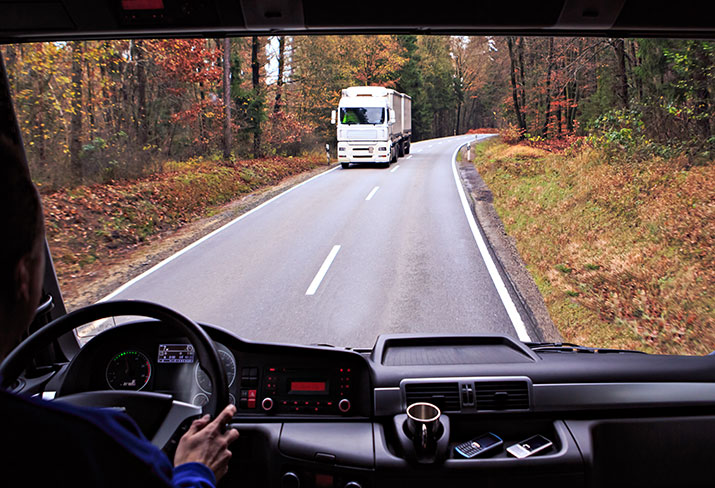
Why Truck Drivers Need Tailored Fitness Coaching
Truck drivers live a unique lifestyle. Schedules are unpredictable. Cab space is limited. Fatigue accumulates rapidly. Standard gym programs rarely work for drivers.
I design fitness coaching around real driving demands. Short sessions. Minimal equipment. Clear structure. Strength is the foundation, and mobility supports strength—not the other way around. This method builds resilience. It lowers injury risk, boosts endurance, and keeps drivers active on the road.
Without tailored coaching, many drivers develop chronic back issues and poor posture. Strength and mobility prevent this cycle and keep drivers moving efficiently.
Driving & Back Pain: Understanding the Source
Back pain usually develops from repeated stress over time. Sitting, posture collapse, and vibration combine to create pain. Understanding the source is the first step toward prevention and relief.

Shift-friendly strength training (lower body + core support)
Your personal trainer will structure your workout plan to include exercises that target the glutes, core, and legs, to prevent lower back pain from standing all day and fatigue. We make sure everything can be done in small spaces between shifts.

Recovery + mobility between shifts (short, repeatable routines)
Your workout routines will be shorter to reduce your foot and heel pain, and will include daily mobility work that keeps your hips, calves, and spine flexible. These exercises will be easy to do even in your break room while you’re catching your breath.

Weekly structure that works (doctor workout plan/workout plan for nurses)
Your program will be progressive, sustainable, and realistic for healthcare schedules. It’ll address knee pain, hip pain, calf soreness, and lower back pain systematically, and your trainer will be by your side for the whole duration.
Lower Back Pain From Driving - Why It Happens
Lower back pain from driving is common among truck drivers. Surprisingly, it often originates outside the lower back. Weak hips, poor posture, and inactivity all contribute.
Lower Back Pain While Driving / Low Back Pain While Driving
Lower back pain while driving is often caused by weak glutes and hamstrings. When these muscles fail, the lumbar spine carries more load than it should. Driving endurance decreases, and pain appears mid-drive.
Back Pain After Long Drives / Lower Back Pain After Driving Long Distance
Pain after driving signals muscular fatigue. Muscles that normally support the spine lose endurance. The spine compensates, which leads to soreness, stiffness, and delayed discomfort.
Poor Seat Ergonomics & Driving Position
Proper seat adjustment matters. Seat height, steering wheel distance, and lumbar support all influence comfort. But even the perfect position cannot compensate for weak muscles. Fitness training reinforces posture and reduces pain naturally.
Posture Damage Over Time
Posture is a reflection of strength. Weak posterior chain muscles collapse under long sitting hours. Over time, this creates chronic pain. Strength training restores alignment and makes proper posture effortless.
Mid Back Pain From Driving - Why It Happens

Mid Back Pain From Driving (Thoracic Stiffness + Rounded Posture)
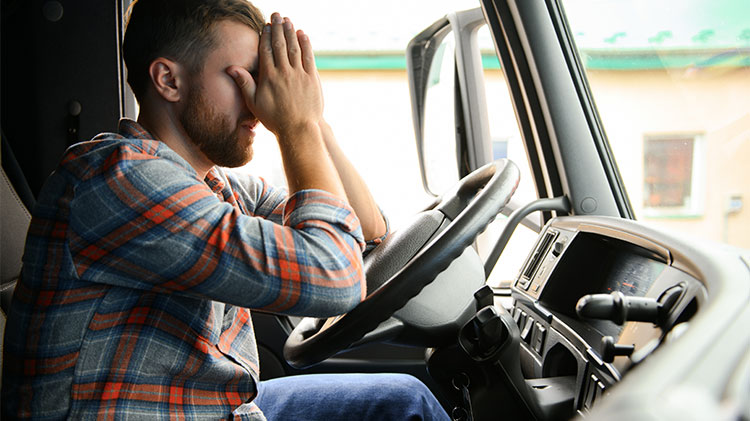
Mid back pain often develops due to thoracic stiffness and rounded posture. The chest collapses forward. Breathing becomes shallow. Spinal mobility decreases. Strengthening the thoracic area and stretching the chest muscles help posture. They also reduce mid-back pain.
Upper Back Pain From Driving - Why It Happens
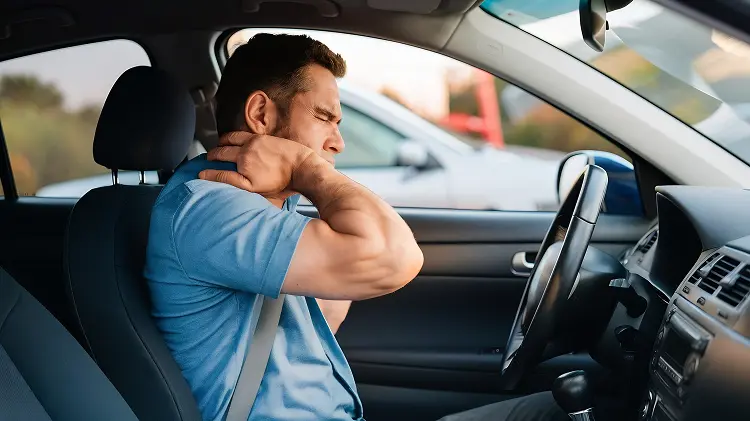
Upper Back Pain From Driving (Steering Posture + Tension)
Holding the steering wheel for a long time can tense your shoulders and traps. Over time, muscles become tight and fatigued, causing pain. Balanced strength and mobility reduce this tension.
Shoulder Mobility Exercises + Neck Posture Correction Exercises
I integrate shoulder control and neck posture work into strength sessions. Mobility supports movement quality. Strength maintains it. Exercises like wall slides, band pull-aparts, and cervical retraction align the upper back. They also reduce pain for drivers.
Our Fitness Coaching System for Truck Drivers
Road-Friendly Bodyweight and Resistance Band Strength Training
(Workouts Without Equipment)
Bodyweight strength training can be done anywhere. You can exercise at rest stops, in hotel rooms, or even in a cab with very little space. When you add resistance bands, you practically have a complete portable gym, because you can perform many exercises and activate all major muscle groups for a full-body workout.
Key movements include:
- Squats for glutes and quads
- Hip hinges for hamstrings and lower back
- Push-ups and band rows for the upper body
- Planks and side planks for core stability
- Resistance band exercises to target additional muscle groups and increase intensity
- Strength training protects joints, improves endurance, activates multiple muscle groups, and helps reduce pain caused by long hours of driving.
Fat Loss Coaching for Life on the Road
(Lose Weight on the Road)
Fat loss improves driving endurance and reduces joint stress. I provide coaching on portion control, protein intake, hydration, and road-friendly food options. No extreme dieting. Sustainability is key.
We also help drivers optimize the food they keep in the truck, including what groceries to order and simple meals they can prepare in the cab.
You’ll get ideas for easy on-the-go meals while driving, as well as better choices when eating at restaurants or truck stops.
The goal is practical fat loss that fits the trucking lifestyle.
Back Pain Relief Mobility Exercises
(Hip Mobility Focus)
Mobility drills reduce stiffness and improve movement efficiency. Hip flexor stretches, glute activation, and thoracic rotations can improve driving posture and help reduce lower back strain.
I will also take you through an assessment to identify the root cause of your back pain and determine which areas need improvement.
Posture Correction Exercises
Posture improves through repeated strength and mobility work. Exercises such as scapular retractions, wall angels, and seated thoracic extensions are simple and work well. These movements reinforce alignment during long drives.
Driving Health Optimization
Long hours on the road affect energy, recovery, and overall health. As part of the program, I may recommend basic blood work to better understand what the body needs. This helps identify possible deficiencies and supports better nutrition, energy levels, and long-term health while driving.
Fitness Coaching Options for Truck Drivers
Reducing back pain requires a structured approach to strength, mobility, and habits.
Strength & Posterior Chain Training
Strong glutes, hamstrings, and back muscles protect the lower back. I emphasize posterior chain development to prevent lumbar overload. Movements include bridges, hip hinges, and bodyweight rows.
Hip Mobility & Thoracic Mobility
Mobility is not the main focus—it supports strength. Flexible hips and spine help with better posture. They reduce tension and improve comfort while driving.
Driving Break Micro-Sessions
Short movement breaks during stops reset posture and relieve tension. Just two minutes of hip flexor stretches, torso twists, and scapular squeezes can ease stiffness.
Best Driving Position for Lower Back Pain
Even the best position is ineffective without physical capacity. My programs build the muscles that support good posture. So, sitting for hours won’t hurt anymore.
Fitness Coaching Options for Truck Drivers
I provide flexible coaching formats to match the realities of truck driving.

Online Fitness Coach / Online Personal Trainer
Online coaching works anywhere. Programs adjust weekly. Feedback stays personal and practical. Drivers can train without a gym, using minimal equipment or just bodyweight exercises.

Semi Private Personal Training / Semi Private Training
Semi private fitness training builds accountability. Training with a partner or small group makes adherence easier. It also introduces friendly competition and support.
Meet the coaching team
Our team understands physical work. We coach strength, not shortcuts. Every plan adapts to real driving conditions and long-term health goals. We provide step-by-step guidance, progress tracking, and support, even on the road.
BOris manchev
Movement Specialist
DAVID TEMELKOV
Personal Fitness Coach
Guido van ryssegem
Online Personal Trainer
Sonja Rohde
Online Fitness Coach
Gillis Pellegrin
Nutrition Specialist
Get in touch
Whether you’re ready to start or have questions, our team is here to help. Reach out today and let’s talk about your goals and next steps.
FREQUENTLY ASKED QUESTIONS
Proper seat setup, strength training, and short movement breaks provide relief.
Focus on hip strength, posture awareness, and breathing control.
Yes. Long sitting combined with weak stabilizers often causes it.
Yes. Vibration, posture collapse, and inactivity contribute.
Upright posture, neutral pelvis, and lumbar support work best.
Tension from steering posture and muscle imbalance is usually the cause.
Thoracic stiffness and rounded posture are common reasons.
Strength training and recovery movement after drives help significantly.
Fatigue and low muscular endurance are typical causes.
Weak stabilizers and posture collapse often lead to pain.
Weak hips and prolonged sitting overload the spine.
Ankle mobility work and proper footwear evaluation help.
Simple nutrition rules and short bodyweight workouts work best.
Bodyweight strength exercises, like squats and push-ups, increase your strength and endurance. Hip hinges, rows, and planks also help build muscle.